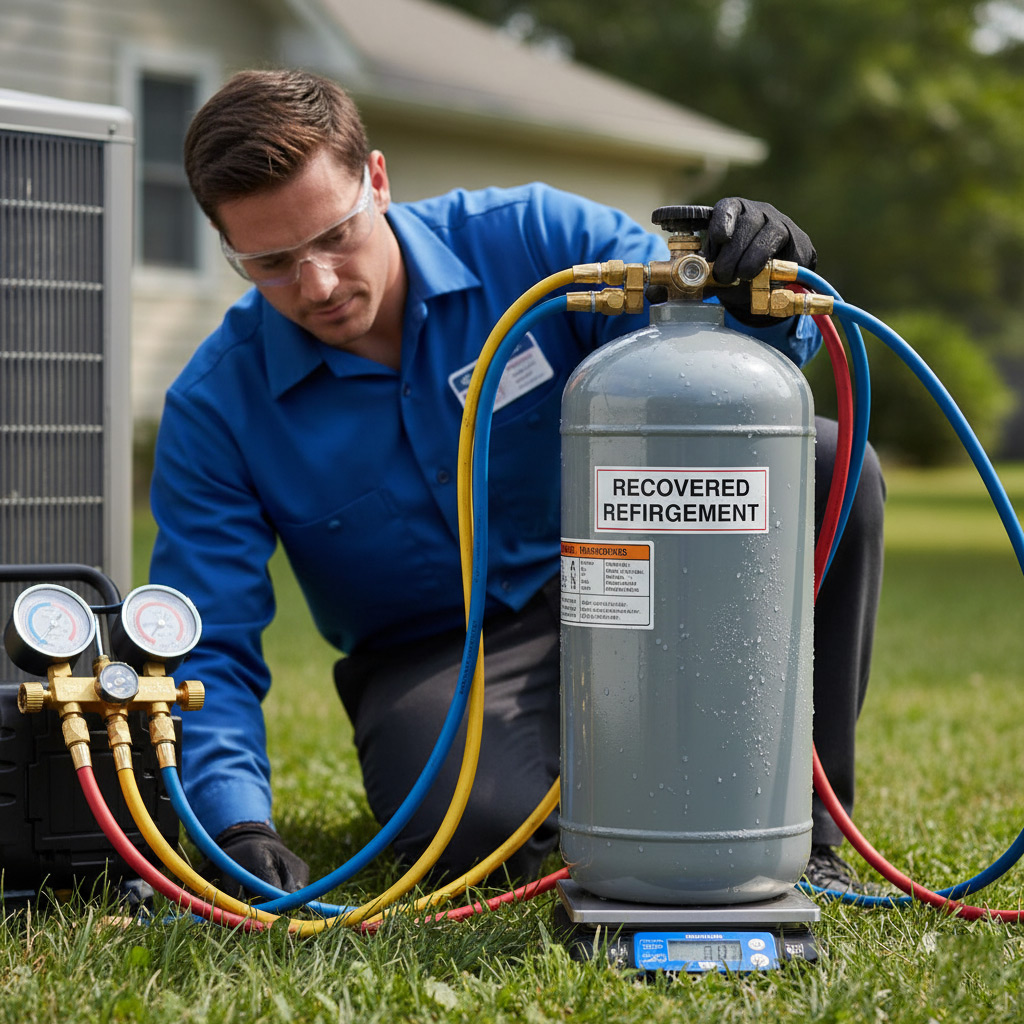
The mercury plunges. A brutal Chicago winter storm howls outside your window. And then it hits you: that sudden, unwelcome silence from your furnace. No warm air. Just an icy grip starting to spread through your home. Panic sets in. What do you do?
That nightmare scenario isn't just a possibility; for too many Chicago homeowners, it’s a costly reality every single winter. Pipes burst, emergency repairs cost a fortune, and your family freezes while you scramble. But here’s the truth: you don’t have to join the ranks of those caught unprepared.
There's a clear path to ensuring your home stays warm and safe, even when the wind chill dips into the negatives, and we’re about to lay it all out for you.
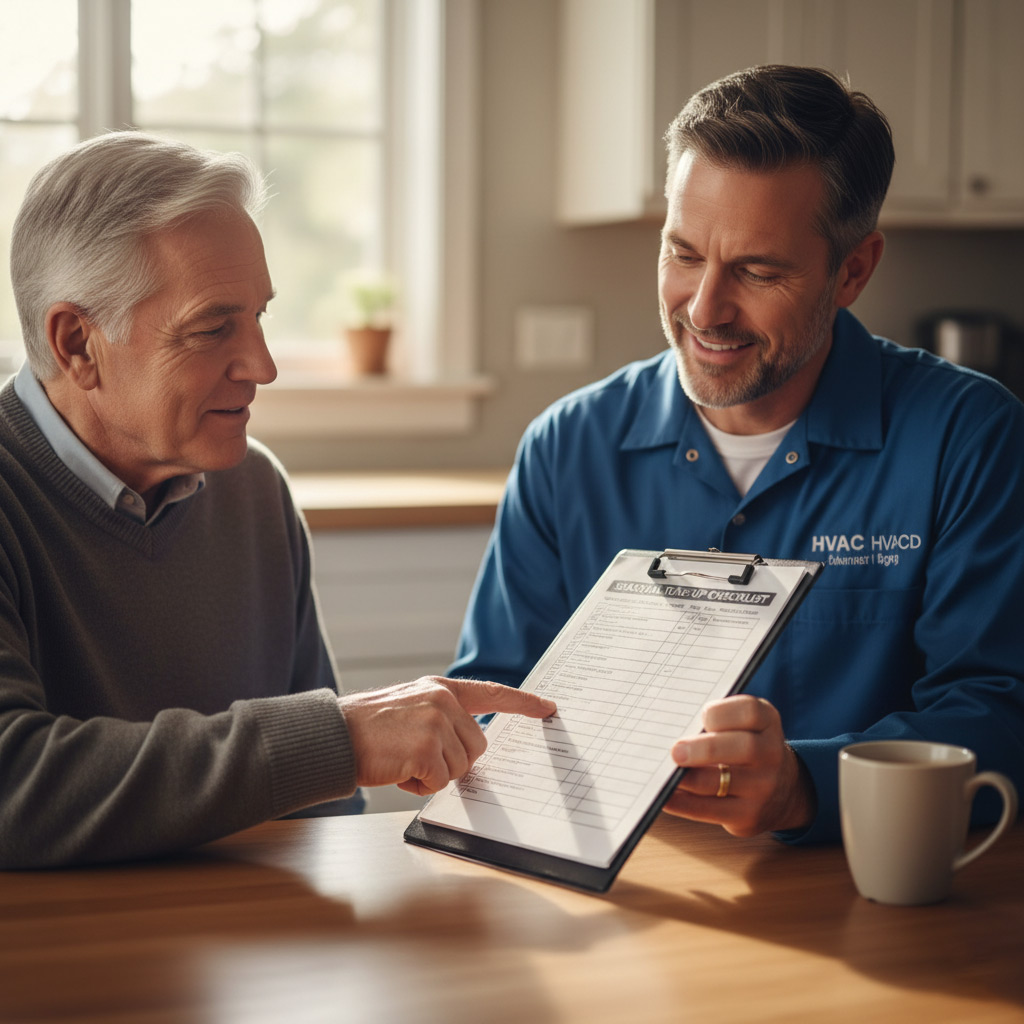
Understanding the "Fiasco": Common Winter Furnace Failures in Chicago
When that frigid Chicago air hits, your furnace isn't just working; it's fighting a brutal, often non-stop battle. This constant strain is precisely why we see the same catastrophic failures year after year, turning homes into iceboxes faster than you can say "polar vortex."
It’s not some mysterious glitch or bad luck. Often, it comes down to a few critical components giving up under immense pressure. Think about it: a furnace running 24/7 in sub-zero temperatures is a machine pushed to its absolute limits, week after week.
The Usual Suspects: What Breaks Down?
Here are the common culprits that will absolutely ruin your winter comfort and send shivers down your spine:
- Ignition System Failure: This is a massive headache. If your ignitor or pilot light can’t do its job, your furnace literally can't start the heating cycle. You get zero warm air, just a frustrating, icy silence.
- Blower Motor Meltdown: The blower motor is the powerhouse pushing warm air throughout your entire home. When it quits, even if your furnace is technically producing heat, that precious warmth stays trapped. It’s like having a scorching oven but no way to get the heat out.
- Thermostat Troubles: Sometimes, the furnace itself is perfectly fine, but the thermostat isn't communicating correctly. This critical component is the brain of your entire heating system. If it’s faulty, your furnace might cycle erratically or refuse to turn on at all.
- Clogged Filters: Honestly, this seems too simple to be a major problem, but a heavily clogged air filter chokes off airflow. This can cause your furnace to overheat and completely shut down. It's a cheap, quick fix that prevents far bigger, more expensive issues.
- Cracked Heat Exchanger: This one is genuinely dangerous. A cracked heat exchanger can leak carbon monoxide directly into your home, turning a comfort problem into a severe health hazard. Never, ever ignore a carbon monoxide alarm or the smell of burning plastic.
Your Proactive Shield: Why Annual Furnace Maintenance is Non-Negotiable
Thinking about skipping that annual furnace check-up? Big mistake. In Chicago, a minor oversight now guarantees a major headache later. We're talking about the difference between a quick tune-up and waking up to a completely unresponsive furnace when the wind chill hits negative double digits. Don't gamble with your comfort; preventative maintenance is your first line of defense against winter catastrophe.
Consider it your home's annual health check. Our technicians spot those tiny issues – worn-out parts, clogged filters, loose connections – before they spiral into system-wide failures. This isn't just about avoiding a mid-winter breakdown; it's about extending the life of your expensive equipment, keeping your energy bills from skyrocketing, and ensuring your system operates at peak safety. A well-maintained furnace burns fuel efficiently, saving you serious cash when you need it most.
More importantly, routine maintenance protects your family. An overlooked furnace can develop dangerous issues like carbon monoxide leaks or fire hazards. Think about that for a second. That simple yearly appointment? It’s buying you peace of mind. Many furnace warranties also demand proof of annual professional servicing; neglect it, and you could void your coverage, leaving you on the hook for costly repairs. It’s a small investment that pays massive dividends in safety, savings, and uninterrupted warmth.
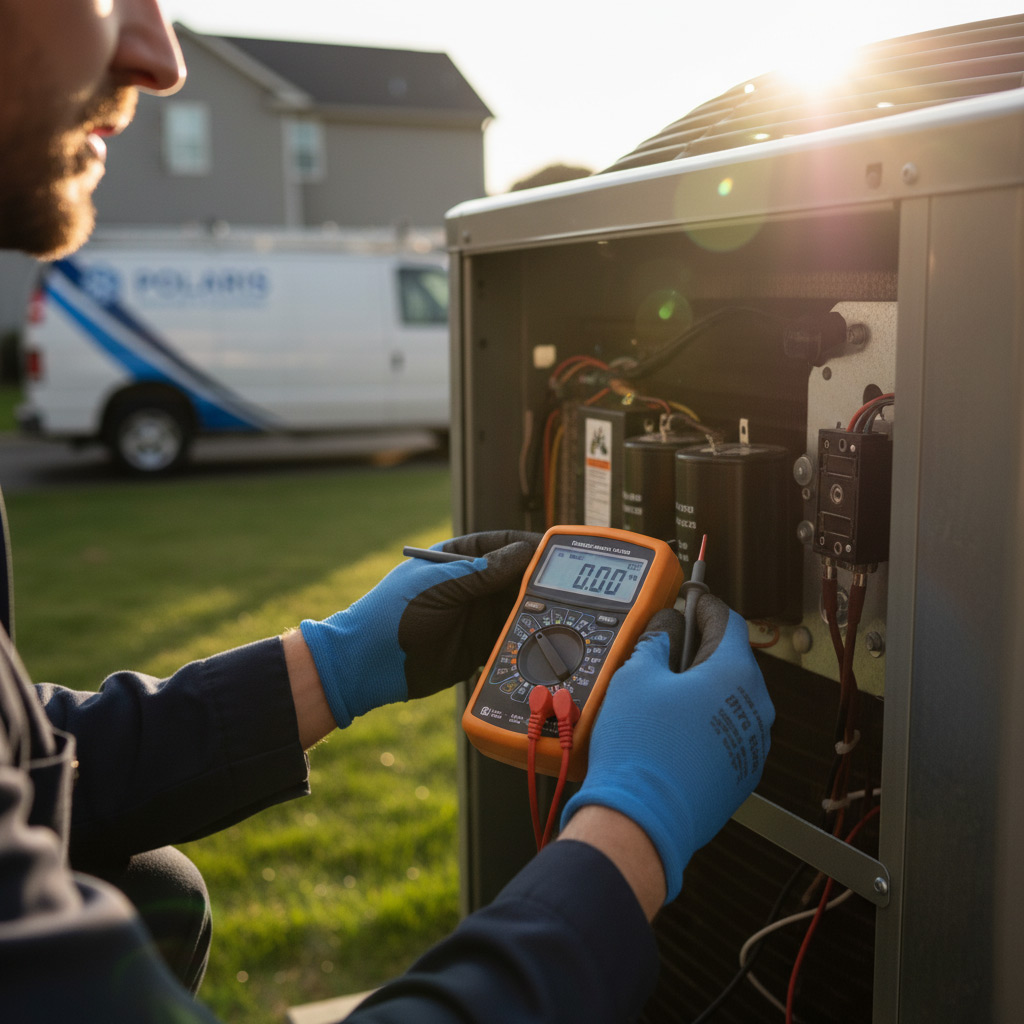
Don't Wait for Silence: Telltale Signs Your Furnace Needs Immediate Attention
Your furnace often gives you fair warning before it throws in the towel completely. It doesn't just spontaneously die. Think of it as your home's central heating system trying to talk to you. Are you truly listening?
When you hear strange noises like grinding, squealing, or persistent rattling, that's not just background noise. Those could be signs of a failing motor, a worn-out fan belt, or other mechanical issues that are about to hit critical mass. Also, pay attention to any unusual smells – especially burning odors or a persistent rotten egg scent, which signals a serious gas leak.
Beyond sounds and smells, performance tells a story. Is your home struggling to reach the thermostat setting? Are some rooms freezing while others are barely warm? This uneven heating often points to distribution problems or a furnace that's just too weak to keep up with Chicago's brutal cold.
Another red flag is a sudden spike in your heating bill without a corresponding drop in temperature. Your furnace might be working overtime, struggling to produce the heat it once did. Keep an eye on your system's pilot light if you have one; it should always be a strong blue, not yellow or flickering.
When Disaster Strikes: Your Emergency Checklist for a Dead Furnace
Immediate Actions When Your Heat Dies
The furnace has gone silent. That sinking feeling is real, but don't panic. Your first moves are critical for safety and getting things back online. Before anything else, check these basics:
- Is your thermostat set correctly? Ensure it's on "heat" and the temperature is above your current room reading.
- Head to your electrical panel. Is the circuit breaker for your furnace tripped? A quick flip back might restart it, but if it trips again, do not force it – there's a serious underlying problem.
- Check the furnace's power switch, usually near the unit. Make sure it hasn't been accidentally turned off.
Sometimes, a simple reset works, but often, it’s a temporary fix signaling a larger issue that needs professional eyes.
Safety First & Temporary Warmth Measures
If your furnace remains unresponsive or the breaker keeps tripping, safety comes first. Turn off the main power to the furnace at the unit itself to prevent any potential hazards. While waiting for help, take steps to keep your family warm:
- Gather everyone into one central, smaller room, like the living room.
- Close off doors to unused rooms to contain the heat you do have.
- Layer up with blankets and warm clothes.
- If you have electric space heaters, use them sparingly and plug them into dedicated outlets to avoid overloading circuits. Never leave them unattended.
Resist the urge to use gas ovens or grills for heat; they pose serious carbon monoxide risks.
What to Tell Your HVAC Expert for a Faster Fix
Once temporary measures are in place, call us immediately. To help us help you faster, have this information ready:
- Any strange noises, smells, or visible error codes the furnace displayed before it shut down.
- When did the problem start? Was it sudden or gradual?
- Have you noticed any other issues recently, like inconsistent heating or high utility bills?
Every detail provides a clue, allowing our technicians to diagnose and resolve your furnace emergency with greater speed and precision. In a Chicago winter, restoring your heat isn't just a comfort – it's a critical safety measure.
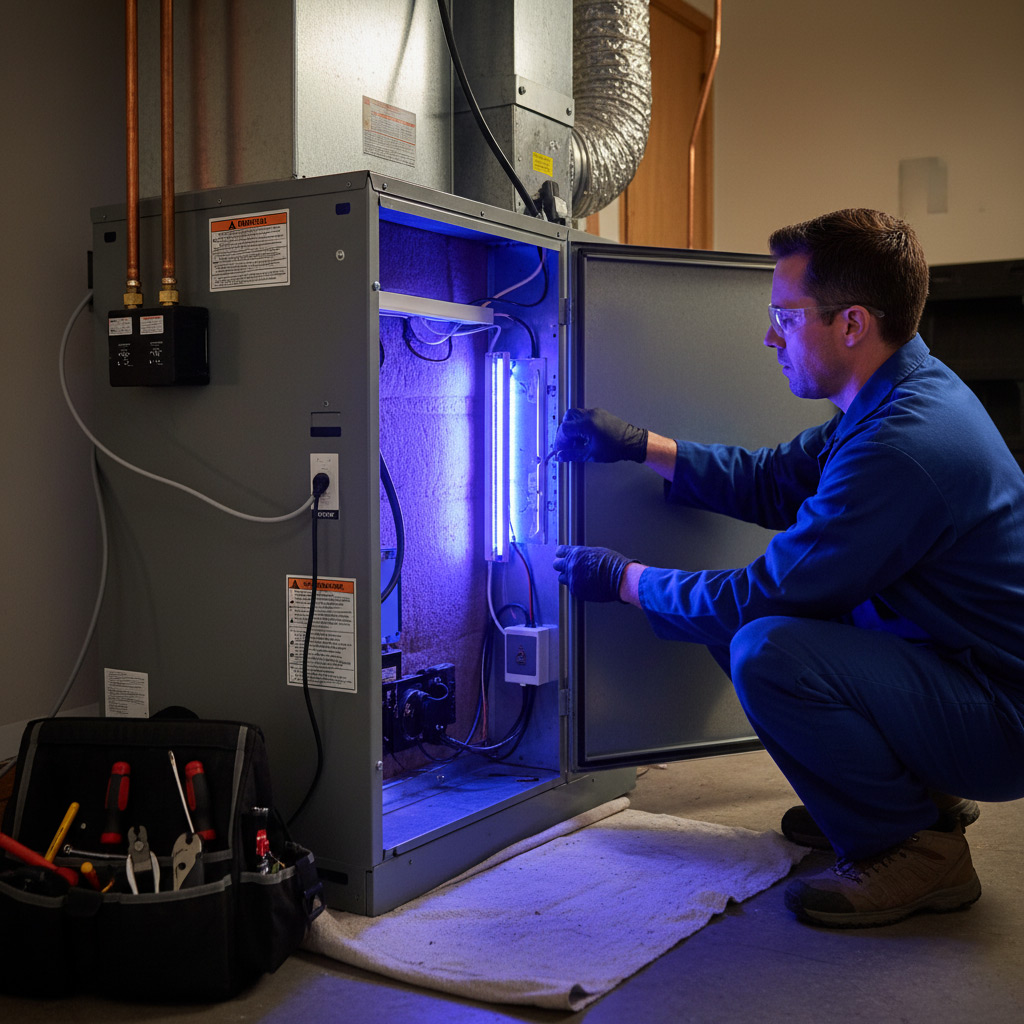
Case Study: How We Saved a Gold Coast Home from a Mid-Winter Meltdown
Picture this: a beautiful Gold Coast brownstone, just days before Christmas. The homeowners, the Andersons, woke up to a chilling reality. Their furnace, a trusted workhorse for years, had gone completely silent. Outside, the wind whipped off Lake Michigan, driving temperatures deep into the single digits. Within hours, the internal temperature of their historic home was plummeting, threatening everything from holiday plans to the very pipes in their walls. Panic set in, and rightly so.
Their urgent call reached us around 6 AM. Understanding the severity of a furnace failure in such extreme conditions, we immediately dispatched our top diagnostic team. Our technicians arrived promptly, assessed the situation, and quickly identified a critical heat exchanger crack – a dangerous and irreparable failure. While other companies might have taken days for parts or estimates, we knew time was of the essence. We presented the Andersons with immediate, transparent options, focusing on restoring their heat as fast as possible.
By that very afternoon, our crew had expertly installed a high-efficiency replacement furnace. The Andersons didn’t just get a new system; they got their peace of mind back. No burst pipes, no ruined holidays, just a warm, safe home once again. This wasn't just a repair; it was an intervention that saved them from a potentially catastrophic and incredibly expensive winter disaster. This is the kind of rapid, expert response you absolutely need when Chicago winters hit their stride.
Choosing Your Winter Lifeline: What to Look for in a Chicago HVAC Partner
When the stakes are high – like keeping your family warm through a Chicago deep freeze – who you trust with your furnace isn't just a decision; it's a strategic move. Don't fall for the first name you see; you need a partner, not just a repairman.
This isn't just about fixing a broken part. It's about securing your winter peace of mind, and for that, you need a company built for Chicago's unique challenges. Forget the generalists and focus on these critical indicators.
Local Expertise and Rapid Response
-
Understands Chicago Winters: A true local partner knows the specific demands our weather places on heating systems. They’ve battled countless polar vortexes right alongside you.
-
Quick Dispatch: When your furnace dies, minutes feel like hours. Look for a company renowned for its swift, emergency response across Chicagoland, not one that makes you wait days.
Credentials That Count
Anyone can claim to be an HVAC expert, but proof is in the pudding. Demand transparency and verifiable qualifications from your chosen provider.
-
Licensed and Insured: This is non-negotiable. It protects you from liability and ensures professional standards are always met.
-
NATE Certified Technicians: This certification means their technicians are factory-trained and tested, proving they have the knowledge to diagnose and fix complex issues correctly, the first time.
-
Strong Local Reputation: Check online reviews, ask for references, and see what your neighbors in areas like Gold Coast or Lincoln Park are saying. A history of satisfied customers speaks volumes.
Beyond the Fix: Long-Term Partnership
Your ideal HVAC partner provides more than just reactive repairs. They're invested in your long-term comfort and safety, acting as your household’s personal heating guardian.
-
Transparent Pricing: No hidden fees, no surprises. Get a clear estimate before any work begins, especially for emergency calls when you're most vulnerable.
-
Comprehensive Services: From annual maintenance plans that prevent breakdowns to expert installations and 24/7 emergency support, they should cover all your heating needs.
Final Words: Secure Your Winter Peace of Mind.
Look, Chicago winters aren't a guessing game. They’re a brutal test of your home's heating system. Waiting until you’re shivering, or worse, dealing with burst pipes, isn’t a strategy. It's a costly gamble. Your peace of mind is directly linked to your furnace's reliability.
It all boils down to making a smart choice *before* the deep freeze hits. Don't let a "deal" on a fly-by-night repair turn into a bigger headache. You need a partner who understands the unique demands of our city's climate and has a proven track record. Someone who treats your home like their own.
Take control of your winter comfort now. Schedule that maintenance. Address those minor issues before they become major breakdowns. When the next arctic blast rolls in, you'll be glad you did. For reliable, expert heating system repair and proactive care, ensure you choose wisely.
People Also Ask
What are common reasons for furnace failure during Chicago winters?
Common failures include clogged filters, pilot light issues, thermostat malfunctions, and wear and tear on components like the ignitor or blower motor. The extreme cold places immense stress on systems, often leading to breakdowns in older or poorly maintained units.How often should a furnace be serviced in Chicago?
For optimal performance and safety, your furnace should receive professional maintenance annually, ideally in the fall before winter's onset. This proactive service helps identify potential issues early, ensuring your system is ready for Chicago's harsh cold.What are the warning signs of a furnace breakdown?
Telltale signs include unusual noises like grinding or squealing, a sudden increase in energy bills, inconsistent heating throughout your home, or frequent cycling on and off. Don't ignore these indicators, as they often signal a larger problem brewing that could lead to a complete breakdown.What steps should I take if my furnace stops working in the middle of winter?
First, check your thermostat settings and ensure your furnace's power switch is on. Next, inspect your circuit breaker and replace a tripped fuse if necessary before contacting a professional HVAC technician for immediate diagnosis and repair.Is emergency furnace repair always necessary in Chicago's cold?
Given Chicago's brutal winter temperatures, a non-functional furnace poses a significant safety risk, especially for vulnerable populations and to prevent frozen pipes. Emergency repair is often necessary to restore essential home comfort and safety quickly.
Chicago HVAC provides experienced and expert heating and cooling services across Chicago, IL. Committed to the local community, their team delivers dependable climate control solutions.
Need HVAC?
Delivering prompt and effective solutions across Chicago, IL (60601, 60607, 60614, 60640) and nearby areas, we ensure timely completion of your objectives.
Fast Estimate