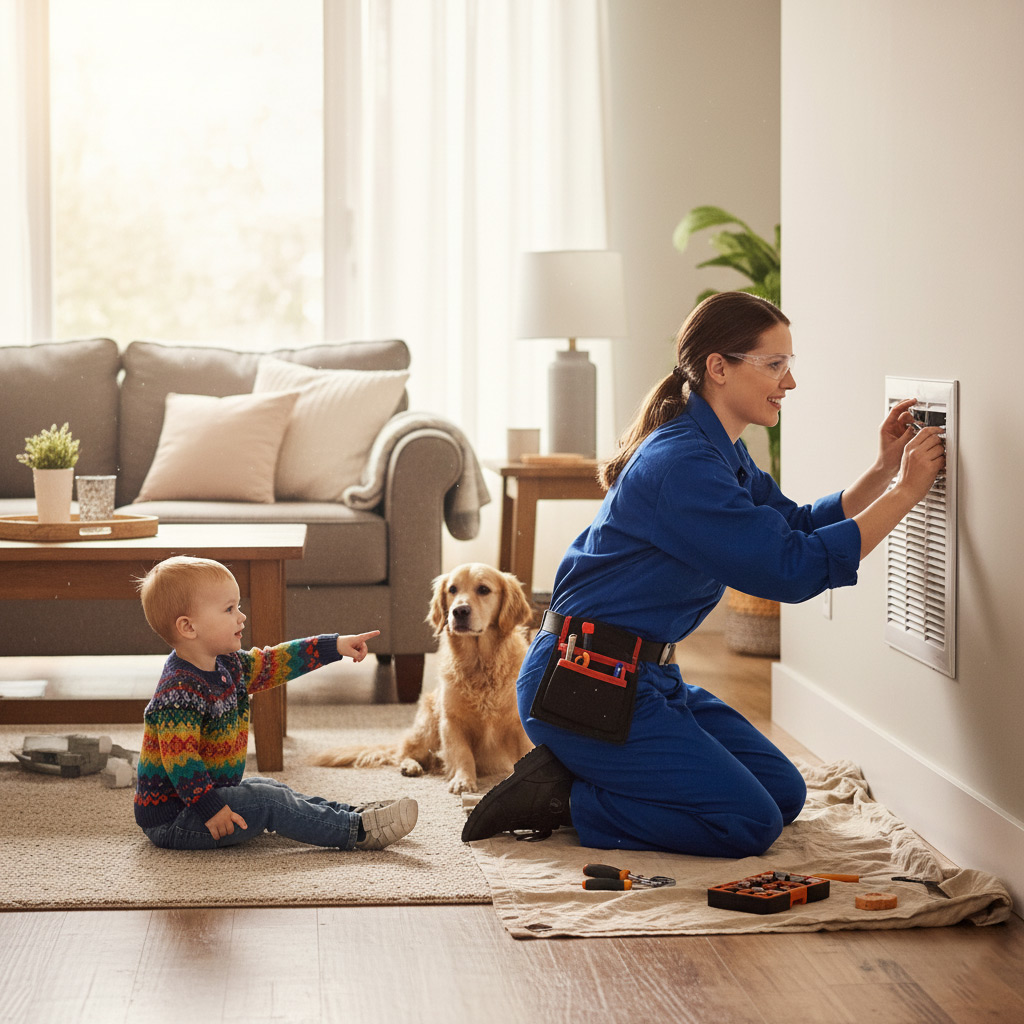
You probably think about Chicago's weather, maybe its traffic. But how much thought do you give to the air you’re breathing inside your home?
Here’s a hard truth: the air within your four walls can be significantly more polluted than the outdoor smog, silently impacting your family's health, sleep, and overall comfort.
If you're dealing with persistent allergies, mystery odors, or just that 'stuffy' feeling, it's not just bad luck. It's a sign. Let's pull back the curtain on what's truly floating around and how you can take back control for a healthier Chicago home.
Beyond Dust: The Hidden Indoor Air Pollutants Lurking in Your Chicago Home
You might diligently dust your shelves and vacuum your floors, thinking you've handled the "dirty air" problem. But here's the kicker: the most damaging air pollutants in your Chicago home aren't visible. They're invisible. They're odorless. And they're working overtime, right under your nose.
Consider Volatile Organic Compounds (VOCs). These aren't some exotic chemicals; they're off-gassing from everyday items like paints, cleaning products, new furniture, carpets, and even air fresheners. Then there's the fine particulate matter – tiny airborne particles from cooking, candles, or even outdoor pollution that sneaks indoors. These microscopic invaders are so small they bypass your body's natural defenses, going straight into your lungs.
And let's not forget the biological menace: mold spores, mildew, bacteria, viruses, and pet dander. These are *living* organisms thriving in your cozy environment, especially where humidity is present. They recirculate through your home's air system, constantly challenging your immune system and making your Chicago home feel anything but clean.
The Real Cost of Stuffy Air: How Poor IAQ Affects Chicagoans' Health & Well-being
That persistent cough, those itchy eyes, or the headaches you blame on a long day at work? They might not be random occurrences. Poor indoor air quality (IAQ) isn't just an inconvenience; it's a silent assailant on your family's health. We're talking about a direct link to chronic respiratory problems, worsened allergies, and even more serious long-term conditions.
Consider the children and elderly in your home; they're particularly vulnerable. Exposure to airborne pollutants like mold spores, pet dander, or volatile organic compounds (VOCs) can trigger asthma attacks, exacerbate eczema, and lead to more frequent illnesses. It’s not just about feeling unwell; it's about the erosion of your family's vitality and the constant drain of low-level discomfort.
Beyond the immediate physical ailments, the impact ripples through your daily life. Imagine waking up feeling refreshed, not congested. Stuffy, polluted air can severely disrupt sleep cycles, leaving you feeling groggy and unproductive. This isn't just about a bad night; it affects your mood, your focus at work or school, and your overall sense of well-being. A home should be a sanctuary, a place where you recharge, not a hidden source of stress and fatigue. Cleaner air means clearer minds and stronger bodies.
Pinpointing the Problem: Signs You Need Better Indoor Air Quality in Chicago
Are your family members constantly sneezing, coughing, or experiencing that annoying dry throat, even when it’s not flu season? These aren't just minor irritations; they can be direct red flags from your home’s invisible air quality.
Many Chicagoans mistakenly attribute these symptoms to seasonal allergies or common colds, but if they persist year-round, especially indoors, it's time to dig deeper. Pay close attention if you notice:
- Persistent respiratory issues like wheezing or shortness of breath.
- Worsening allergy symptoms or frequent asthma attacks.
- Chronic headaches, fatigue, or dizziness while at home.
- Dry eyes, skin, or nose that just won't clear up.
- Difficulty sleeping or waking up feeling unrested.
Beyond personal discomfort, look around your Chicago home. Do you notice a layer of dust forming far too quickly after cleaning, or a persistent musty smell that just won't go away, despite your best efforts? These environmental cues are strong indicators of poor indoor air quality, suggesting hidden pollutants are circulating freely. Don't ignore these subtle warnings; your home is trying to tell you something.
Your First Line of Defense: Simple Strategies for Improving Chicago Home Air
Want to start breathing better today? Some of the most powerful moves you can make for cleaner air are also the simplest. Think of these as your immediate, no-cost or low-cost wins against airborne junk.
First up, ventilation is king. Even in a crisp Chicago morning, cracking a window for just 10-15 minutes a day can swap out stale, pollutant-laden indoor air for fresher outdoor air. Always use exhaust fans when cooking or showering to pull moisture, grease, and fumes directly outside. And rethink those chemical-heavy cleaning products – many release VOCs. Opt for natural, unscented alternatives to cut down on internal air pollution at its source.
Next, it’s time for a serious clean-up. Regular, thorough cleaning isn’t just for looks; it actively removes dust mites, pet dander, and other allergens before they become airborne and irritate your lungs. Invest in a vacuum with a HEPA filter – it’s essential for truly trapping particles, not just recirculating them. Don’t overlook your bedding, rugs, and curtains; they’re notorious dust magnets. Even a simple habit like removing shoes at the door can dramatically reduce the dirt and outdoor pollutants tracked into your home.
Advanced HVAC Solutions: Investing in Your Chicago Home's Air Quality
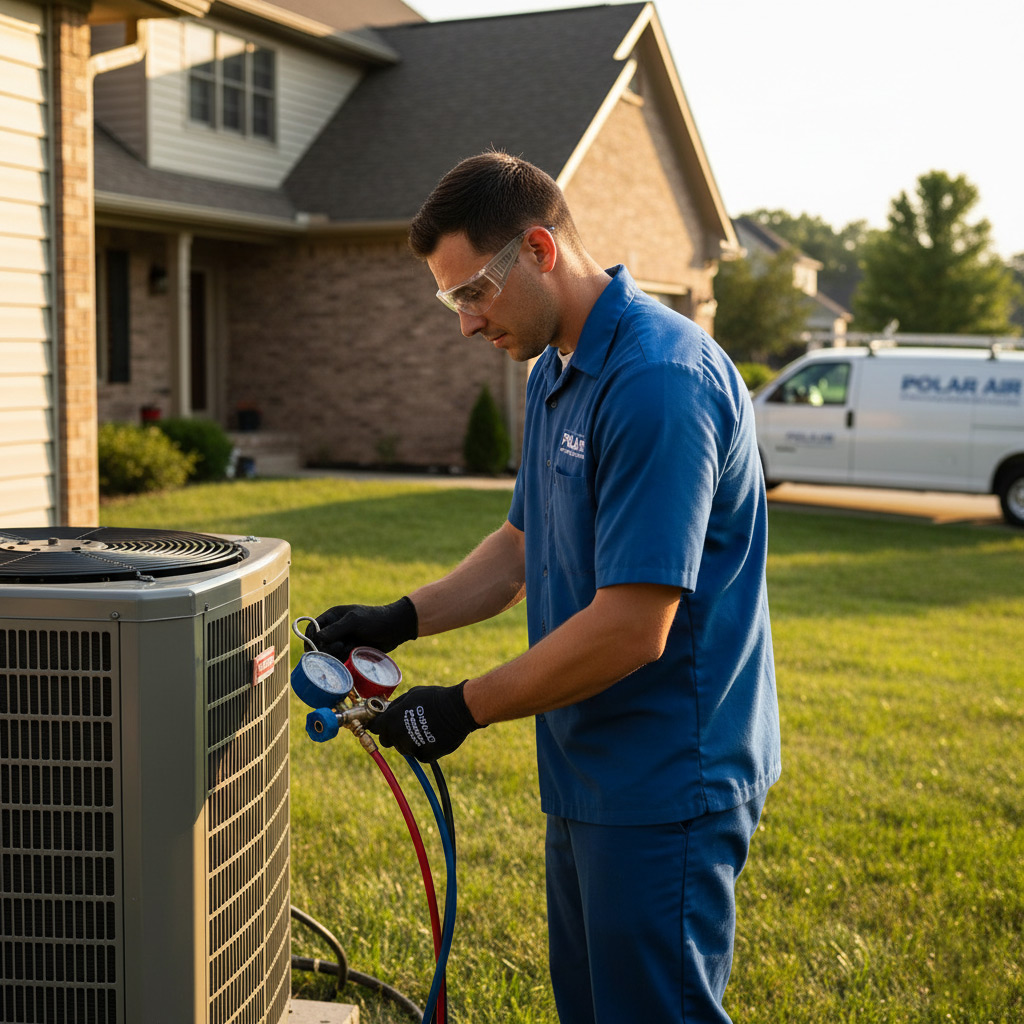
Look, the simple strategies are good. But if you're serious about transforming your Chicago home's air, especially with our city's unique challenges, you need integrated HVAC solutions. Think of it as giving your home a true set of healthy lungs.
The first critical upgrade? Your filtration. Those flimsy furnace filters? They’re a joke. We're talking high-efficiency pleated filters, MERV 11 or higher. These trap serious amounts of pollen, dust, and pet dander before they ever reach your living space.
Beyond better filters, imagine a system that actively destroys airborne threats. That's where whole-home air purifiers step in, working seamlessly with your existing ductwork. We typically recommend two powerful additions:
Ultraviolet (UV-C) Light Purifiers
These aren't just for hospitals anymore. Installed directly in your HVAC, UV-C lights hit your coils and airstream. They neutralize microscopic organisms like bacteria, viruses, and mold spores as air passes through. It's a silent, continuous sterilizer for your entire HVAC system and the air it pushes out.
Whole-Home Humidifiers and Dehumidifiers
Chicago's wild climate swings from bone-dry winters to suffocatingly humid summers. Both extremes cause problems. Too much humidity means mold and dust mites; too little means respiratory issues and cracked wood. These systems maintain that sweet spot – 40-60% relative humidity. It’s the perfect zone where allergens can't thrive, and you feel genuinely comfortable.
A Breath of Fresh Air: How We Transformed a Lincoln Park Home's Air Quality
Meet the Millers, a family in Lincoln Park who reached out to us after months of dealing with stubborn allergies and a constant 'stuffy' feeling in their beautiful vintage home.
Their daughter's asthma was flaring up more frequently, and no amount of dusting seemed to clear the air. They were tired of the mystery and ready for a real solution.
Our initial assessment uncovered what many Chicago homes face: a mix of unseen culprits contributing to their poor air quality.
We found high levels of pet dander, pollen infiltration, and a surprising amount of volatile organic compounds (VOCs) from everyday household products trapped inside. Their existing filtration system simply couldn't keep up with the demands of city living and a busy family.
We recommended a tailored plan, including the installation of a whole-home air purification system and an upgrade to high-efficiency MERV 13 filters designed to capture even microscopic particles.
Within days, the difference was remarkable. The Millers reported a noticeable reduction in dust, a fresher smell throughout their home, and best of all, their daughter's asthma symptoms significantly improved, allowing her to sleep soundly.
They finally experienced the truly clean, crisp air they deserved in their Lincoln Park sanctuary, transforming their everyday comfort and health.
Final Thoughts: Breathing Easier, Living Healthier in Chicago.
Look, you've spent money on your Chicago home. You protect your car, your investments, even your wardrobe. But what about the air you breathe every single second you're inside? Neglecting your Indoor Air Quality isn't just a minor oversight; it's a silent drain on your health, your family's comfort, and ultimately, your peace of mind.
This isn't about scare tactics. It's about empowering you with the knowledge to make smart decisions for your living space. From simple daily habits to advanced HVAC upgrades like whole-home air purification and humidifiers, every step you take makes a difference.
Imagine waking up without that persistent cough, or your kids no longer battling nightly sniffles. That's not a pipe dream; it's the tangible result of addressing what's invisible but oh-so-important. Take control of your home's air. It’s the smartest investment you can make in your family’s well-being and your enjoyment of living in Chicago.
People Also Ask
What are common indoor air pollutants found in Chicago homes?
Chicago homes can harbor various indoor pollutants, including pet dander, dust mites, mold spores, volatile organic compounds (VOCs) from cleaning products and furnishings, and outdoor allergens like pollen that infiltrate indoors. These unseen particles can significantly impact your family's respiratory health and overall comfort.How can I tell if my Chicago home has poor indoor air quality?
Signs of poor indoor air quality often include persistent allergies, frequent respiratory issues, lingering odors, excessive dust accumulation, and a stuffy or stale feeling indoors. If you notice these symptoms consistently worsening when inside your home, it's a strong indicator that your indoor air quality needs attention.What are some simple ways to improve indoor air quality in a Chicago home?
You can significantly improve your home's air quality by regularly changing HVAC filters, ensuring proper ventilation by opening windows when outdoor conditions permit, and using exhaust fans in kitchens and bathrooms. Minimizing chemical cleaners and grooming pets frequently also contribute to cleaner indoor air.How do advanced HVAC solutions improve air quality in Chicago homes?
Advanced HVAC solutions, such as high-efficiency particulate air (HEPA) filters, UV germicidal lamps, and whole-home air purification systems, actively remove pollutants, allergens, and pathogens from your home's air. These systems provide comprehensive filtration and air treatment, creating a substantially healthier indoor environment.Does outdoor air pollution in Chicago impact my home's indoor air quality?
Yes, outdoor pollutants from Chicago's urban environment, including pollen, smog, and industrial emissions, can infiltrate your home through open windows, cracks, and even your HVAC system if not adequately filtered. A robust indoor air quality strategy helps to mitigate the impact of these external factors, ensuring your indoor air remains cleaner.
Chicago HVAC has provided expert heating and cooling services throughout the Chicago metropolitan area for many years. Their experienced technicians are dedicated to delivering professional solutions for both residential and commercial needs. With a deep understanding of local climate demands, Chicago HVAC ensures reliable comfort for its community.
Need HVAC?
Delivering prompt and effective solutions across Chicago, IL (60601, 60607, 60614, 60640) and nearby areas, we ensure timely completion of your objectives.
Fast Estimate